
How Frosted Plastic Cards Differ From Glossy and Matte Finishes
February 2, 2026
Plastic cards all serve the same basic purpose. Identification, branding, access, loyalty. Simple. But the finish you choose changes how that card feels, looks, and performs in the real world. Frosted, glossy, and matte finishes each bring something different to the table. Some subtle. Some obvious.
This is where many businesses hesitate. The differences seem cosmetic at first. They are not. Finish impacts durability, readability, and brand perception more than most people expect.
Let us walk through it, moving from the basics to the details. Practically. No hype.
What Is a Frosted Plastic Card
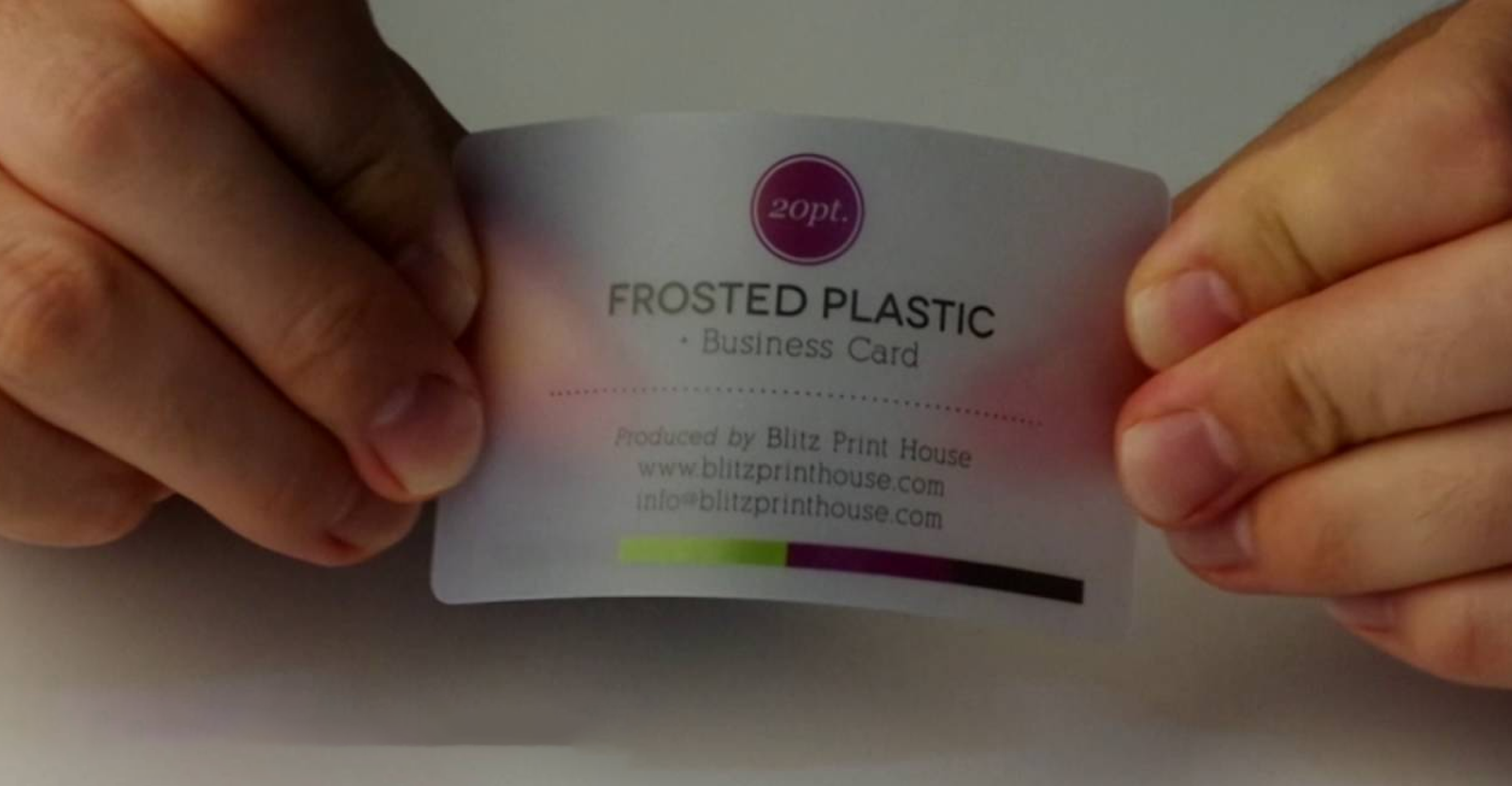
A frosted plastic card sits somewhere between transparent and solid. It has a semi-translucent appearance that diffuses light instead of reflecting it. The surface feels smooth, slightly textured, and soft to the eye.
Frosted plastic cards are often selected when a brand seeks a modern, understated effect. Clean and minimal, these cards do not compete for attention but make a quiet impression.
Text and graphics appear slightly muted compared to glossy cards, but that is often the point. Frosted finishes reduce glare and fingerprints, making them ideal for frequent handling in hospitality, fitness, and membership-based businesses.
Glossy Plastic Cards Explained
Glossy cards are the most common option. Bright. Shiny. High contrast.
Glossy finishes make colors and photos stand out, unlike matte or frosted cards, where effects are subtler. Logos stand out immediately on gloss, which is ideal for promotional cards and bold designs that need immediate visual impact.
However, gloss comes with tradeoffs.
Fingerprints show easily. Scratches are more visible. Under bright lights, glare can make text harder to read. For daily-use cards, these small issues add up faster than expected.
Glossy cards impress on day one, but over time, wear appears more clearly than on frosted or matte cards, especially in high-use scenarios like access or ID cards.
Matte Plastic Cards and Their Appeal
Matte finishes entirely remove shine. Unlike glossy cards, matte surfaces feel smooth and flat, with no reflection. Readability on matte is superior to both glossy and frosted cards.
If a card includes fine text, barcodes, or signature panels, matte is often the safer choice. Writing on matte surfaces is easier compared to glossy ones, which matters in corporate or administrative environments.
Matte cards resist fingerprints better than gloss cards but not as well as frosted cards, offering a professional, corporate appearance: serious and reliable.
The downside is visual impact. Colors appear softer. Not dull, but restrained. Some brands want more energy than Matte delivers.
Frosted vs Glossy vs Matte: A Direct Comparison
Frosted cards achieve an ideal balance: they prevent glare like matte cards but retain a distinct visual identity that matte cards lack. Compared to glossy cards, frosted finishes feel more sophisticated and less commercial.
Durability is another factor. Frosted and matte finishes hide scratches better than glossy ones. Gloss reflects damage. Frosted diffuses it. That difference matters in high-use environments such as gyms, hotels, and coworking spaces.
For branding: glossy suits energetic, bold designs; matte delivers clarity and professionalism; frosted conveys modern sophistication and deliberate style.
There is no universal winner. There is only one fit.
Practical Use Cases by Finish
Glossy cards work well for retail gift cards, short-term promotions, and visually driven marketing campaigns.
Matte cards are ideal for corporate IDs, access control systems, and employee badges where clarity and usability matter most.
Frosted cards shine in hospitality, creative brands, premium memberships, and tech-focused businesses that want a refined look without appearing flashy. They feel intentional. Thought through.
Many businesses offering Custom-Made Plastic Cards choose the finish based on how long the card will be used. A one-month promo card does not need to age gracefully. A long-term membership card absolutely does.
Printing and Design Considerations
Not every design works equally across finishes. For frosted cards, use high-contrast graphics and avoid thin fonts to ensure legibility. White ink often stands out best on frosted plastic. Adjust colors for frosted surfaces, as they naturally soften vibrancy.
Glossy cards demand high-resolution artwork. Any flaw is amplified by the shine.
Matte cards are forgiving but require careful color selection to avoid washed-out visuals.
Businesses ordering Custom Hard Plastic Cards benefit most when these details are considered before production begins. It saves time. And cost. And frustration.
About Perfect Plastic Cards
Perfect Plastic Cards is a Canada-based manufacturer specializing in high-quality plastic card solutions for businesses across multiple industries. From glossy and matte to frosted finishes, the company helps Canadian brands select the right card style based on real-world usage, not just appearance. With a focus on durability, precision printing, and consistent quality, Perfect Plastic Cards supports businesses looking for plastic cards that perform as well as they look.
Final Thoughts
Choosing a card finish is not a design afterthought. It is a functional decision. Frosted cards offer subtle sophistication. Glossy cards deliver visual impact. Matte cards prioritize clarity and control.
The best choice depends on how the card will be used. And how long does it need to last?
Small detail. Big difference.