
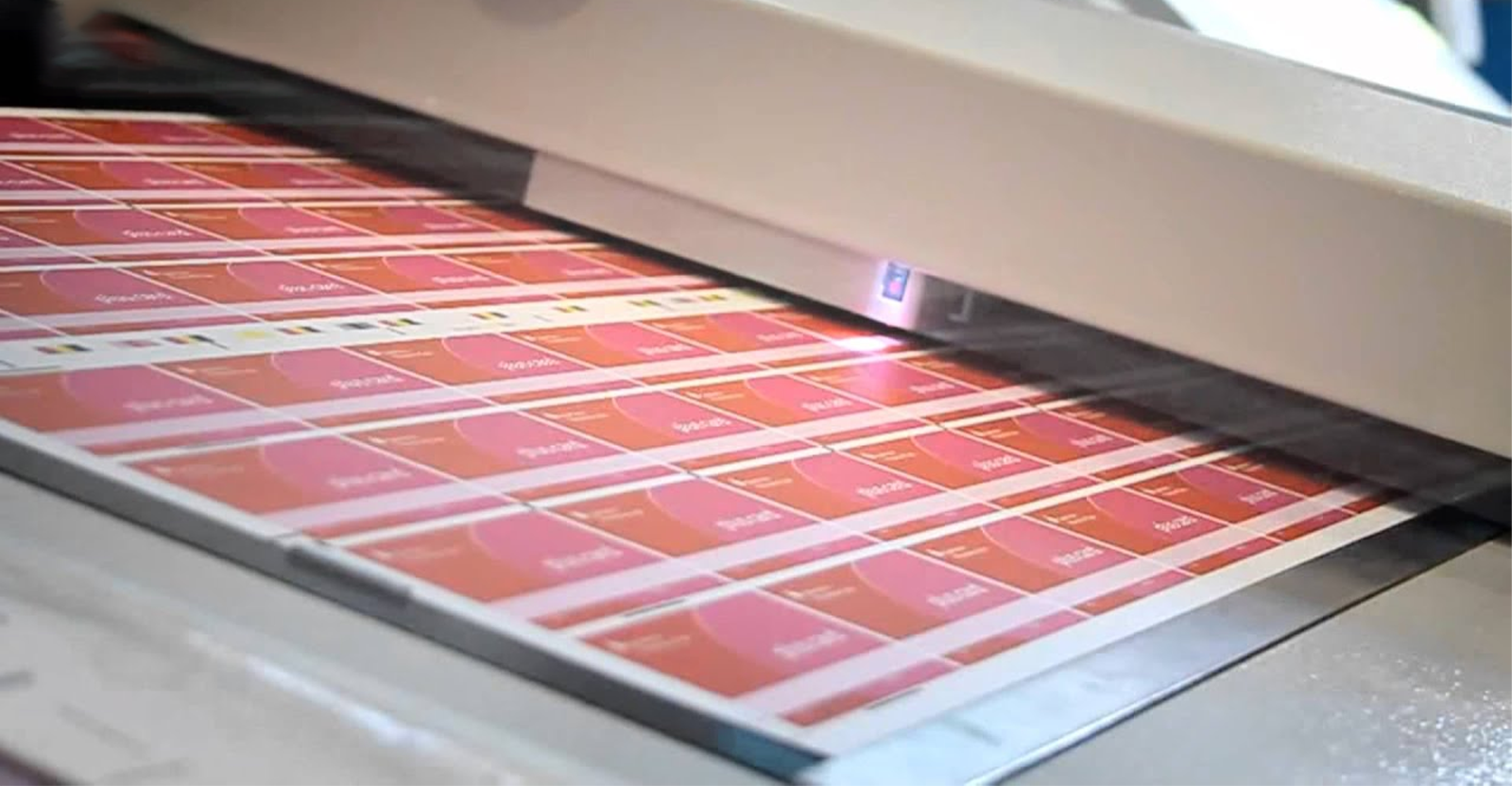
Inside the Printing Process of Plastic Business Cards
February 26, 2026
A plastic business card immediately stands out due to its sleek, durable finish. Understanding the production process behind these premium cards explains their higher cost and why many professionals find them a worthwhile investment.
What Makes Plastic Business Cards Different
Plastic business cards are manufactured from PVC (polyvinyl chloride) or similar synthetic materials rather than paper stock. This material choice alone changes everything about how the cards are printed, cut, and finished. The base layer is typically a rigid or semi-rigid PVC sheet, and the printing process must be adapted to work with this non-porous surface.
Plastic does not absorb ink like paper, so standard offset printing is ineffective. Instead, manufacturers use specialized printing technologies developed for plastic surfaces.
The Core Printing Methods Used for Plastic Business Cards
Offset Lithography on PVC
Offset lithography, adapted for plastic sheets, is commonly used for large-scale production. Ink is transferred onto the PVC and immediately UV-cured to ensure proper bonding. This process, known as UV printing, hardens the ink almost instantly with ultraviolet light.
Digital Printing
Digital printing is ideal for short runs, applying ink directly onto the plastic in layers. It offers high color accuracy and cost efficiency for small batches and makes printing variable data, such as unique names or QR codes, straightforward.
Screen Printing
Screen printing is used for specialty plastic business cards featuring spot colors, metallic inks, or raised textures. Each color is applied with a separate mesh screen, resulting in vibrant, opaque finishes. Raised metallic details provide a tactile, premium feel that enhances brand perception beyond what paper cards offer.
Lamination and Finishing Touches
After printing, plastic business cards are often coated or laminated to protect against scratches and fading. Matte and gloss finishes are most common, while spot UV coating can be applied to highlight specific design elements with a glossy contrast.
Transparent or frosted plastic cards are printed on the reverse side, allowing the design to show through the translucent material and creating visual depth not possible with paper cards.
Die-Cutting and Final Dimensions
Plastic business cards are typically cut to the standard credit card size of 3-3/8” x 2-1/8”. Custom sizes and unique shapes are also available for an additional charge. Rounded corners are a popular choice for a modern look and improved durability.
Precision blades or laser cutters create clean, accurate edges, and any imperfections are removed during the final quality inspection.
Why the Process Matters When Choosing a Printer
Not all print shops can produce high-quality plastic business cards. Look for printers with UV-capable equipment, suitable inks, and precise cutting tools. Ask about their process, plastic type, and ink curing methods, as these factors impact card durability and print quality.
Final Thoughts
The process of creating plastic business cards involves detailed processes such as UV curing and precision die-cutting to ensure a premium result. This attention to detail makes them a valuable choice for professionals seeking a strong, lasting impression.